Introduction
In 2025, the digital marketing landscape is undergoing a seismic shift, thanks to the rapid integration of AI-powered digital marketing. Businesses that once relied on intuition and manual analysis are now leveraging artificial intelligence to craft hyper-personalized, data-driven campaigns. From predictive analytics to automated content creation, AI is not just a buzzword—it’s a game-changer.
If you’re a marketer, entrepreneur, or business owner, understanding how AI is reshaping online strategies is crucial for staying ahead. In this post, we’ll explore the transformative impact of AI-powered digital marketing, its key applications, and how you can harness its potential to elevate your brand.
What is AI-Powered Digital Marketing?
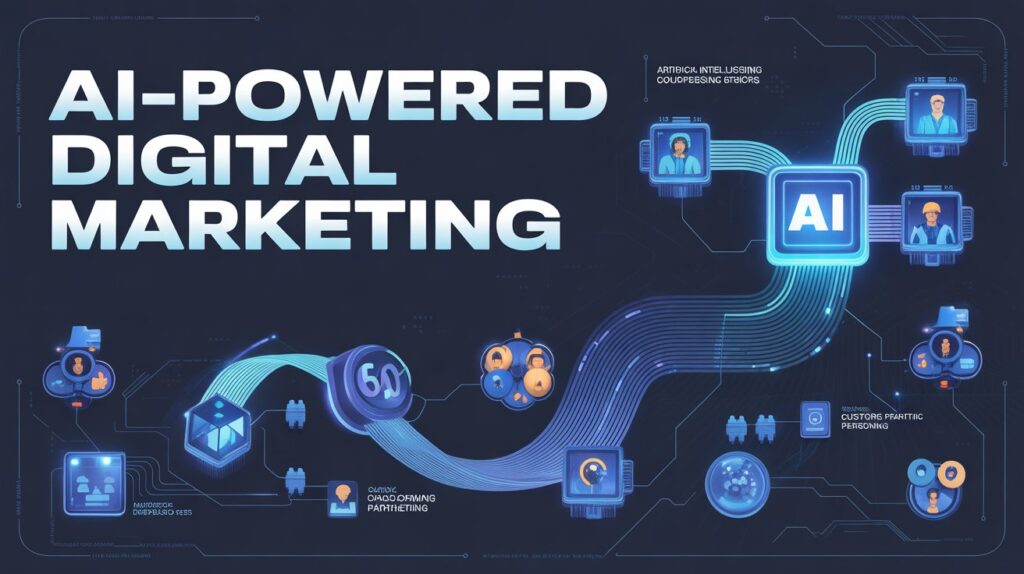
AI-powered digital marketing refers to the use of artificial intelligence technologies—such as machine learning, natural language processing, and predictive analytics—to automate, optimize, and personalize marketing efforts. Unlike traditional methods, AI enables real-time decision-making, deeper customer insights, and scalable campaign management.
Why is AI a Game-Changer in 2025?
- Hyper-Personalization: AI analyzes vast datasets to deliver tailored content, offers, and recommendations to individual users.
- Automation: Repetitive tasks like email marketing, ad bidding, and social media scheduling are now handled by AI, freeing up time for strategic planning.
- Predictive Analytics: AI forecasts trends, customer behavior, and campaign performance, allowing marketers to proactively adjust strategies.
Key Applications of AI in Digital Marketing
1. Personalized Customer Experiences
AI algorithms analyze user behavior, preferences, and past interactions to create highly personalized experiences. For example:
- Dynamic Content: Websites and emails adapt in real-time based on user interests.
- Chatbots: AI-driven chatbots provide instant, 24/7 customer support, improving engagement and satisfaction.
2. Predictive Analytics and Lead Scoring
AI tools predict which leads are most likely to convert, enabling marketers to focus their efforts on high-potential prospects. This not only increases conversion rates but also optimizes marketing spend.
3. Automated Content Creation
From generating blog posts to crafting social media captions, AI-powered tools like Jasper and Copy.ai are revolutionizing content creation. These tools ensure consistency, relevance, and scalability, even for small teams.
4. Programmatic Advertising
AI automates the buying and placement of ads, ensuring they reach the right audience at the right time. Platforms like Google Ads and Facebook Ads use AI to optimize bids, target users, and maximize ROI.
5. Voice and Visual Search Optimization
With the rise of smart speakers and visual search (e.g., Google Lens), AI helps businesses optimize content for voice queries and image-based searches, opening new avenues for discovery.
Benefits of AI-Powered Digital Marketing
Increased Efficiency
By automating routine tasks, AI allows marketers to focus on strategy and creativity. Campaigns run smoother, with fewer errors and faster execution.
Enhanced Customer Insights
AI uncovers patterns and insights from customer data that humans might miss. This leads to more effective segmentation, targeting, and messaging.
Higher ROI
AI-driven campaigns are more precise, reducing wasted ad spend and increasing conversion rates. Businesses see a tangible impact on their bottom line.
Competitive Advantage
Early adopters of AI in digital marketing gain a significant edge. They can respond to market changes faster, innovate continuously, and deliver superior customer experiences.
How to Implement AI in Your Digital Marketing Strategy
Step 1: Identify Your Goals
Determine what you want to achieve with AI—whether it’s improving customer engagement, increasing conversions, or streamlining operations.
Step 2: Choose the Right Tools
Select AI-powered tools that align with your goals. Popular options include:
- HubSpot for CRM and marketing automation
- Google Analytics for predictive insights
- Hootsuite for AI-driven social media management
Step 3: Integrate and Test
Start with small-scale implementations, such as AI chatbots or automated email campaigns. Monitor performance and refine your approach.
Step 4: Scale and Optimize
As you see results, expand your use of AI across more channels and campaigns. Continuously analyze data to optimize performance.
The Future of AI in Digital Marketing
The evolution of AI-powered digital marketing is just beginning. Emerging technologies like generative AI, augmented reality, and advanced predictive models will further transform how brands connect with audiences. Staying informed and adaptable is key to leveraging these innovations effectively.
Conclusion
AI-powered digital marketing is not the future—it’s the present. Businesses that embrace AI today will dominate the digital landscape tomorrow. By personalizing experiences, automating processes, and gaining deeper insights, AI empowers marketers to achieve unprecedented results.
Ready to Transform Your Digital Strategy with AI?
If you’re eager to explore how AI-powered digital marketing can revolutionize your business, I’d love to help! Get in touch with me to discuss tailored AI strategies, tools, and best practices that align with your goals.